Home › Gravel-to-Asphalt Conversions
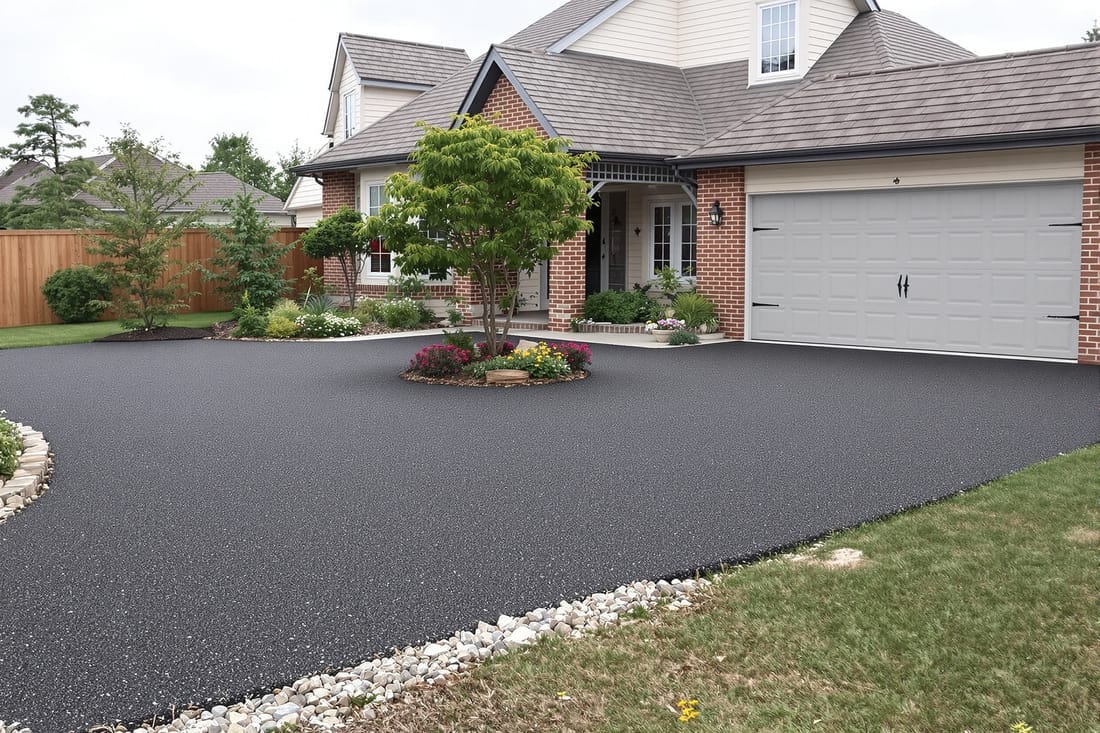
Tired of dust, mud, and ruts in your gravel drive. Our gravel to asphalt driveway conversions in Garland, TX create a clean, stable blacktop surface that is easier to maintain, improves curb appeal, and keeps vehicles cleaner all year.
Precision Asphalt Garland provides professional gravel to asphalt driveway throughout Garland, TX, Texas and the surrounding area. Our licensed, insured crew delivers safe, clean, on-time work with a free estimate before anything begins. Call (469) 949-1928 or request your free quote.
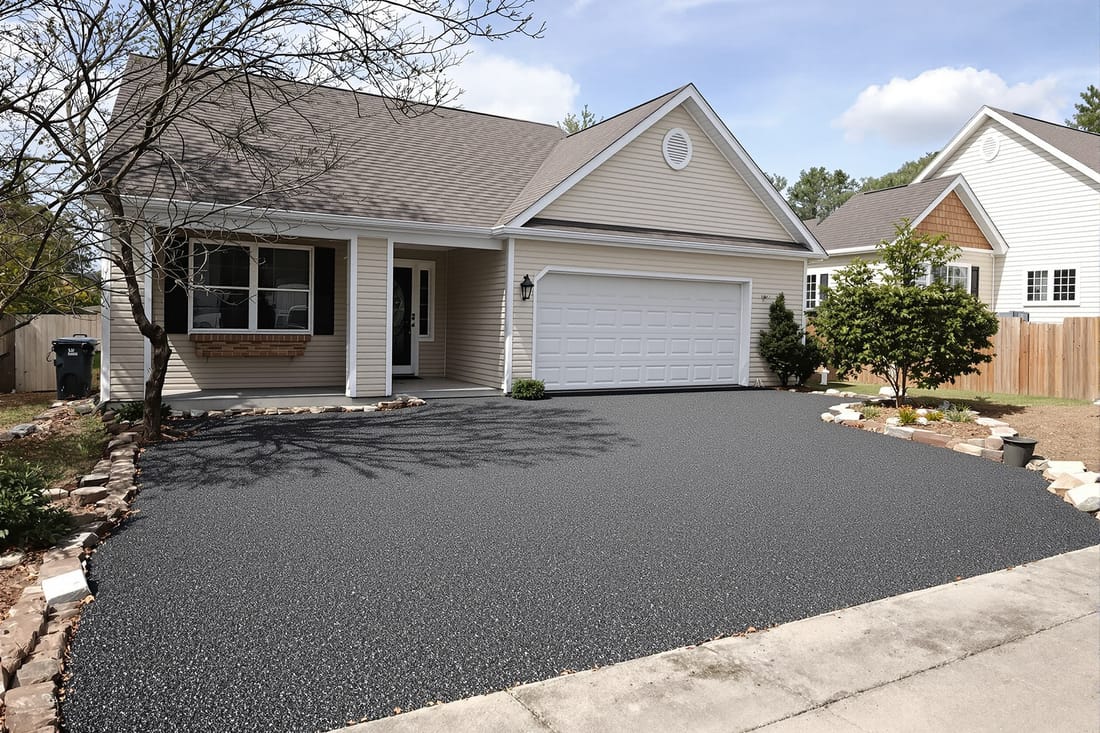
Turn Your Gravel Driveway Into Smooth Asphalt in Garland
A gravel driveway can be messy in North Texas weather. Ruts after heavy rain, dust in summer, and loose rock getting tracked into the garage are common complaints we hear from Garland homeowners. Precision Asphalt Garland focuses on converting those gravel surfaces into durable, low-maintenance asphalt driveways that handle Garland traffic and climate.
Instead of a one-size-fits-all approach, we start by looking at how you actually use the driveway. Do you park work trucks on it, boat trailers, or mostly passenger vehicles. Do you have drainage issues toward Duck Creek or a low spot that always turns muddy. By understanding your specific site conditions and vehicle loads, we design a gravel to asphalt driveway that will hold up for years without constant patching.
Because we live and work in Garland, we are familiar with local soil conditions, from the clay-heavy areas near Firewheel to the rockier spots closer to Rowlett Creek, and we use that knowledge to plan the right base work and thickness for your new asphalt.
Step-by-Step: How Gravel-to-Asphalt Conversions Actually Work
A lasting gravel to asphalt driveway conversion starts with the ground beneath the pavement. First, Precision Asphalt Garland evaluates the existing gravel and subgrade. We check depth, compaction, and moisture levels, and we look for soft pockets or pumping areas where water has weakened the soil.
If the existing gravel base is thin or contaminated with dirt, we strip off the unstable material and rebuild with new crushed limestone or recycled concrete flex base. This base is placed in layers, each compacted with vibratory rollers to reach the right density so your asphalt will not flex and crack prematurely.
Next, we fine-grade the base. This is where we create the slope and drainage pattern, usually at least a 2 percent fall away from structures. In Garland, sudden storms can dump a lot of water fast, so shaping this slope correctly helps prevent standing water that can damage asphalt and cause slick spots.
Once the base passes our compaction tests, we apply a tack coat if we are tying into any existing asphalt or concrete. Then we lay hot mix asphalt from local plants at a temperature that allows for proper compaction before it cools. Our paving crew spreads and levels the mix, then compacts it with steel drum and pneumatic rollers to get a tight surface with minimal air voids.
Finally, we address transitions at the street, sidewalk, or garage slab so vehicles do not hit a bump or lip when entering or leaving the driveway. Edges are compacted and, where needed, we build a small shoulder of topsoil or gravel to support the sides of the asphalt.
Driveway Design Options for Your Converted Asphalt Surface
When you turn a gravel driveway into asphalt, you can also improve how it looks and functions. Precision Asphalt Garland helps you choose a driveway layout and asphalt design that fits your property instead of just paving the existing track.
You can widen the drive to allow easier passing or extra parking near the garage. In older Garland neighborhoods where lots are narrower, we often add small parking pads off the main driveway so guests do not have to park on the street. For homeowners near busy roads like Northwest Highway, we sometimes design a circular or horseshoe drive to make it easier to exit forward instead of backing into traffic.
Surface options usually include a standard black hot mix asphalt or, in some cases, a slightly coarser surface mix for steeper grades that need more traction. We can also discuss adding a concrete or brick apron at the street or in front of the garage for a custom look while keeping most of the drive in cost-effective asphalt.
If you expect heavy use, such as work vans, trailers, or RVs, we may recommend a thicker asphalt section or a stronger base. That way you can park and turn those loads without causing early rutting or shoving in the asphalt surface.
What Affects the Cost of a Gravel to Asphalt Driveway in Garland
Homeowners often ask why two gravel to asphalt driveway quotes can be so different. Precision Asphalt Garland is straightforward about what drives price so you can compare estimates on equal terms.
Condition of the existing gravel base is usually the biggest factor. A driveway that already has 4 to 6 inches of solid, compacted base may only need minor touch-ups and grading before asphalt. A drive that has thin gravel, mud pockets, or heavy organic material will require excavation, hauling off bad material, and bringing in new base rock.
Access is another cost driver. Open, straight driveways with room for equipment are more economical to pave than tight, winding drives with trees or fences close to the work area. If trucks and rollers cannot reach all areas easily, we may need extra labor and smaller equipment.
Driveway size and thickness also matter. A light residential driveway for cars might use 2.5 to 3 inches of asphalt in one or two lifts, while driveways for heavier vehicles may need up to 4 inches or more. More material and compaction time increase cost, but they also extend the life of the pavement.
Local Garland considerations, such as drainage improvements or minor grading to steer water away from alleys and neighboring yards, can add some cost upfront but prevent future issues that are more expensive to correct later.
Handling Common Problems With Existing Gravel Driveways
Not every gravel driveway is ready for asphalt on day one. Precision Asphalt Garland routinely fixes underlying problems before paving, which is why our surfaces hold up well in Garland conditions.
If your driveway has standing water after storms, we look first at drainage. This might mean adjusting the crown and slope, cutting shallow swales to redirect water, or tying into an existing ditch. In flat areas of Garland, small grading changes can make a big difference in how fast the surface dries out.
Soft spots are another common issue, especially where vehicles always follow the same path. We dig out those areas to a stable depth, then rebuild them with compacted base. Skipping this step and just paving over soft spots almost guarantees early cracking and depressions.
Where roots have encroached from trees, we carefully remove or cut roots that will cause future upheaval, then reinforce that section of base. We also talk with you about realistic expectations if large trees remain very close to the drive.
Finally, we pay attention to tie-ins. If you are connecting to an alley, city street, or existing concrete slab, we match elevations closely and sometimes saw-cut into the existing surface so the joint is clean and secure. This reduces the chance of cracks forming right at the transition.
After-Care and Maintenance for Your New Asphalt Driveway
The first few days after paving are important for the long-term performance of your gravel to asphalt driveway. Precision Asphalt Garland will give you specific instructions based on the weather and the thickness of your asphalt.
Typically, we recommend keeping vehicles off the new surface for at least 24 to 48 hours. In the Garland summer heat, asphalt can stay soft a bit longer, so we may advise a slightly extended cure time before parking heavy vehicles or turning sharply on the driveway.
Routine maintenance is straightforward. Keep edges supported by soil or gravel so they do not crumble. Address small oil spills promptly to prevent softening. Sweep off loose debris, especially after storms that may wash sand or leaves onto the surface.
We can also discuss sealing the driveway once the asphalt has fully cured. Sealing is not required for structural strength, but it can slow down oxidation from sun and weather, keep the surface looking darker, and help resist minor fluid stains. For many Garland homeowners, a seal coat every few years is a cost-effective way to extend the life of their investment.
If you ever notice new cracks or a low spot, calling us early allows simple repairs instead of major patching later. Since we are local, we can usually inspect and address minor issues quickly.
Why Garland Homeowners Choose Precision Asphalt Garland
Working with a local pavement contractor matters when you are investing in a gravel to asphalt driveway. Precision Asphalt Garland is based right here, so we schedule work around our real weather patterns, from sudden spring storms to extended summer heat, and we time paving and compaction to match.
Our crews use mixes from nearby plants that are designed for North Texas traffic and climate. We know how Garland clay soils behave during wet and dry cycles, and we plan base thickness and drainage accordingly so your driveway does not fail when the ground moves a bit.
We keep communication simple and straightforward. Before any work begins, you receive a written scope that explains base preparation, asphalt thickness, drainage adjustments, and how we will handle tie-ins and clean-up. During the project, a foreman on site can answer questions and walk the drive with you before final rolling.
Because we work primarily in Garland and surrounding communities, we plan our schedule geographically, which helps us keep costs controlled and response times short. Whether you are off Buckingham, Shiloh, or near Lake Ray Hubbard, you get a crew that understands local conditions and is close enough to stand behind the work for years to come.