Home › Commercial Gravel-to-Asphalt Conversions
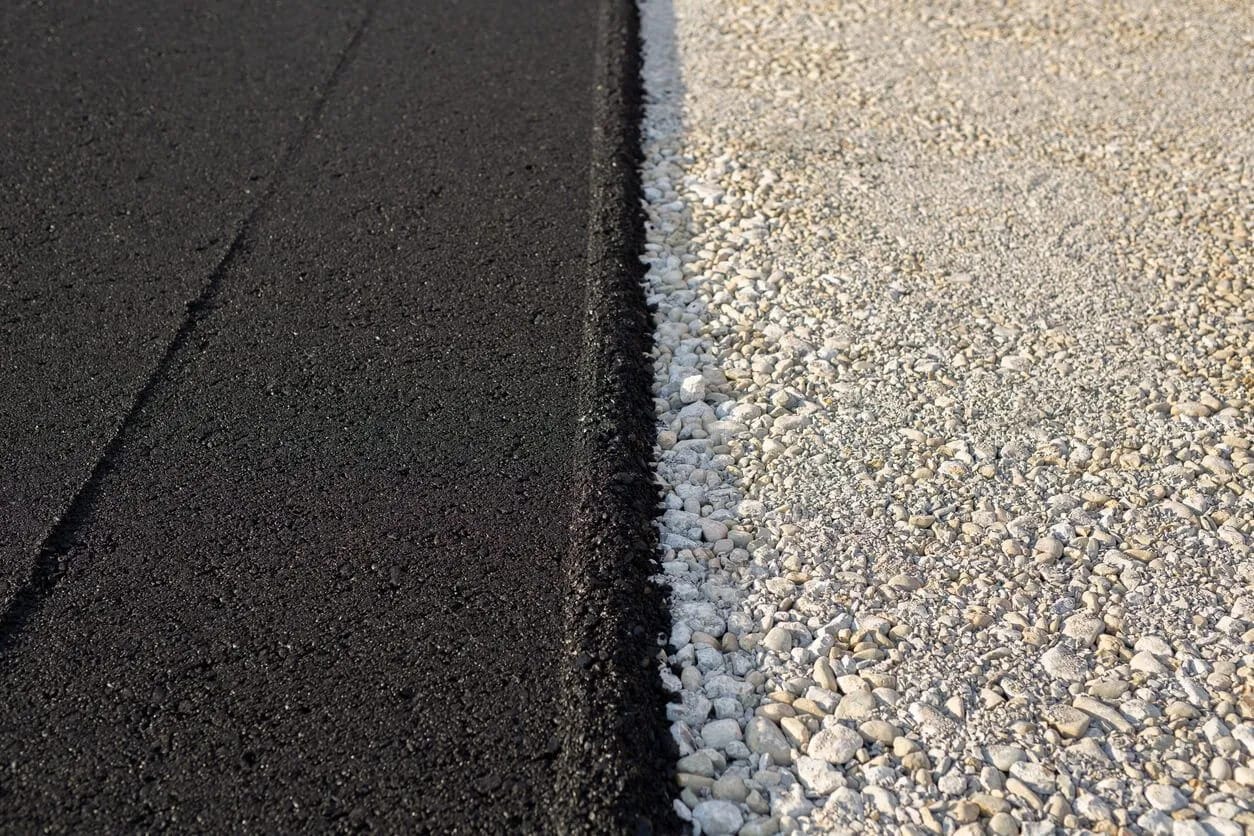
Transform rough gravel lots into clean, professional asphalt with commercial gravel to asphalt conversions in Garland, TX. We evaluate drainage and base conditions, then build smooth blacktop surfaces that handle daily traffic and reduce maintenance.
Precision Asphalt Garland provides professional commercial gravel to asphalt throughout Garland, TX, Texas and the surrounding area. Our licensed, insured crew delivers safe, clean, on-time work with a free estimate before anything begins. Call (469) 949-1928 or request your free quote.
Turn Your Gravel Lot Into a Professional Asphalt Surface
If you are running a business in Garland and you are tired of dust clouds, potholes, and washouts every time it rains, converting your gravel lot to asphalt can be one of the best upgrades you make. Precision Asphalt Garland focuses on commercial gravel to asphalt projects, which means we understand the specific needs of retail centers, industrial yards, churches, medical offices, and multifamily properties in this part of Texas.
A proper conversion is not just spreading hot mix over loose rock. To last in Garland weather and under commercial traffic, your project needs grading, drainage planning, a stable base, and the correct asphalt design. We walk the site with you, look at how delivery trucks move, where customers park and walk, how water currently flows, and where it tends to collect after storms. From that, we plan pavement thickness, slopes, and entrances so your lot stays smooth, drains correctly, and looks professional.
Spring and fall are usually the best times for commercial gravel to asphalt jobs in Garland because temperatures are moderate and rain patterns are more predictable. Summer work is common too, but we pay close attention to surface temperatures and scheduling so the asphalt does not cool too fast or scuff under early traffic. If you have a tight operating schedule, we can often phase the work so at least part of your parking or yard stays open.
Step-by-step: How We Convert Gravel To Asphalt
Most commercial gravel to asphalt conversions in Garland follow a similar sequence, with adjustments for the size and use of the property.
1) Site evaluation and measurements: We measure the lot, check traffic patterns, and probe the existing gravel to see how thick and compacted it is. We look at the subgrade (soil underneath) in a few test spots to see if there is clay, soft areas, or signs of poor drainage. In North Texas, expansive clay is common, so we pay attention to any movement or rutting.
2) Grading and drainage setup: Using graders and skid steers, we reshape the existing gravel to create the right slope, usually 1 to 2 percent, so water moves to drains, swales, or the street. If your lot currently holds water, we may cut in shallow ditches, install or adjust drain inlets, or add French drains along building edges.
3) Base stabilization or replacement: If the existing gravel is thin, full of fines, or sitting on soft soil, we will either add new crushed limestone base or stabilize the top few inches of soil with cement or lime. Then we compact the base with heavy rollers. A good rule of thumb: if a heavy truck can still leave ruts in your gravel, the base needs improvement before asphalt goes down.
4) Edge controls and transitions: On commercial sites around Garland, we often install concrete ribbons or curbs at the edges so the asphalt does not unravel over time. We also plan smooth tie-ins to existing city streets, loading docks, and sidewalks, adjusting elevations so you do not end up with trip hazards or abrupt bumps.
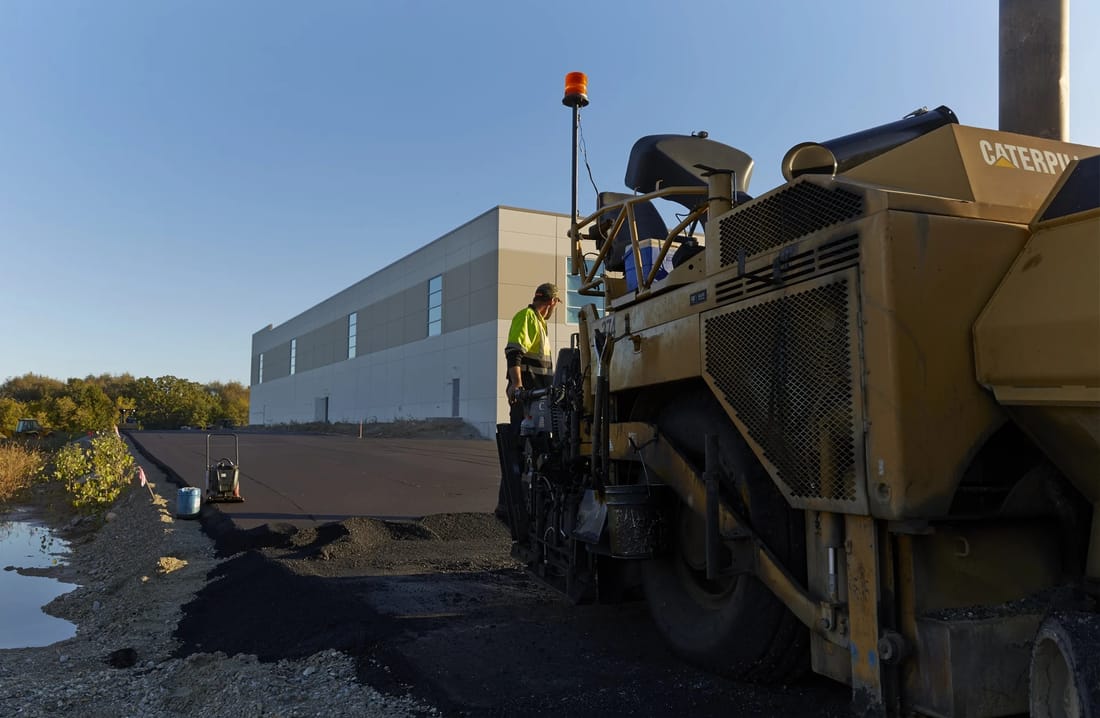
5) Asphalt paving: For most commercial parking lots, we typically install 2 to 3 inches of hot mix asphalt over the compacted base, sometimes more in drive lanes or truck routes. We use commercial-grade mixes that handle Texas heat and UV exposure, not the lighter mixes you might see in residential driveways. Pavers place the mix, then steel drum rollers compact it to the proper density.
6) Striping and finishing: Once the asphalt cools, we stripe parking spaces, fire lanes, ADA stalls, crosswalks, and directional arrows. Precision Asphalt Garland can also add wheel stops, signage posts, and bollards so the new lot is ready for customers and deliveries.
Cost Drivers And Options For Commercial Gravel To Asphalt Projects
Owners in Garland usually want to know why two lots that look similar can have very different quotes. The main cost drivers for commercial gravel to asphalt conversions are base condition, thickness requirements, drainage work, and access.
If your existing gravel is thick and well compacted, we may be able to regrade it, compact it again, and pave directly on top, which saves money. If there are soft spots, contamination with topsoil, or frequent puddles, we will need to remove material, rebuild the base, or stabilize the subgrade. That extra work costs more upfront but prevents rutting and failures that could force a full replacement later.
Design thickness is another factor. Light-duty parking for cars and pickups might only need 2 inches of asphalt on a strong base. However, if 18 wheelers, delivery trucks, or dumpsters cross the lot, we may recommend 3 to 4 inches in those lanes or even a thicker base section. Precision Asphalt Garland will often vary thickness within the same property so you are not overpaying for heavy-duty pavement where it is not needed.
Drainage improvements can be minor or extensive. Sometimes simple regrading solves the problem. Other times, especially in older Garland industrial areas, the site may need new inlets, valley gutters, or underground piping. We explain each option in plain numbers, showing the difference between a basic paving-only project and a more complete drainage and paving package.
Finally, site access and phasing matter. If we can bring trucks and equipment in easily and pave in large, open passes, the job goes faster and costs less. Tight sites, night work to keep businesses open, and multi-phase schedules add labor and mobilization cost. We discuss these choices upfront so you can decide what works best for your operations and budget.
Common Problems With Old Gravel Lots And How We Fix Them
Commercial gravel lots in Garland tend to show the same problems over time: washboard surfaces at entrances, deep ruts where delivery trucks turn, constant dust near doors, and mud tracked inside after storms. Simply dumping more gravel on top rarely solves these issues for long and can even make drainage worse.
Washboard and ruts usually mean the base underneath is too thin or too loose. On conversion projects, we cut down through the problem areas to see what is really under there. If the subgrade is pumping or soft, we may undercut and replace a section with new base, use stabilization, then blend it back into the surrounding area. This targeted repair keeps costs in line while preventing the defects from reflecting through the new asphalt.
Dust and loose rock are mostly solved once we pave, but we also think about how wind and traffic move around your building. For example, Precision Asphalt Garland might recommend specific traffic patterns, wheel stops, or small concrete pads at loading docks so trucks do not chew up the same small area every day.
Drainage is the other big issue. Many older gravel lots simply slope toward the building or toward neighboring properties. In Garland storms, that can mean water running across walkways or pooling near doors. Before any asphalt goes down, we rework grades so water flows toward safe outlets. Where there is no natural exit, we may suggest adding a concrete flume or catch basin tied into existing storm piping, if available.
We also pay attention to city requirements. Some commercial gravel to asphalt conversions trigger Garland or Dallas County review, especially if driveways connect to public streets or if drainage patterns change. We help owners understand when permits or inspections might be required and coordinate with engineers if needed.
Planning, Scheduling, And Maintaining Your New Asphalt Lot
A successful gravel to asphalt conversion starts with realistic planning. For active businesses in Garland, that usually means choosing a time of year with more predictable weather and building a schedule that limits downtime. Many clients choose March through early June or late September through November to avoid the coldest and hottest extremes, which helps the asphalt compact correctly and cure without surface scuffing.
Before work begins, Precision Asphalt Garland will lay out a written plan that shows which areas will be closed and when. For a multi-tenant retail center, we may pave one half of the lot at a time so customers can still access all suites. For industrial yards, we work around shipping windows and shift changes.
Once your asphalt is in place, some simple habits will extend its life. We usually recommend a first sealcoat around 18 to 24 months after paving, not immediately, so the asphalt has time to fully cure. After that, a fresh sealcoat every few years, combined with crack sealing, keeps water from seeping into the base. Addressing oil spots, fuel spills near loading areas, and early cracks is especially important in North Texas, where heat and occasional freezes can quickly turn small issues into potholes.
If you are considering a commercial gravel to asphalt project in Garland, it helps to gather any site plans or utility information you have so we can see where gas, water, or electrical lines might cross the area. We also ask about any known drainage complaints from tenants or customers. With that information and a site visit, Precision Asphalt Garland can give you a clear, itemized proposal that explains the base work, asphalt thickness, drainage changes, and striping layout, so you know exactly what you are paying for and how long you can expect the new pavement to last.