Home › Asphalt Milling and Reclamation
Prepare tired pavement for a fresh start with asphalt milling in Garland, TX. We offer profile milling, removal, and full depth reclamation to correct grades, recycle materials, and create a strong base for new asphalt surfaces.
Precision Asphalt Garland provides professional asphalt milling throughout Garland, TX, Texas and the surrounding area. Our licensed, insured crew delivers safe, clean, on-time work with a free estimate before anything begins. Call (469) 949-1928 or request your free quote.
Asphalt Milling and Reclamation for Garland Properties
Asphalt milling is a way to remove and recycle the top layers of your pavement without tearing everything out down to dirt. Precision Asphalt Garland uses milling when the surface is cracked, rutted, or uneven, but the base underneath is still structurally sound. This approach is common for Garland parking lots, neighborhood streets, commercial drives, and long access roads that see daily traffic and Texas heat.
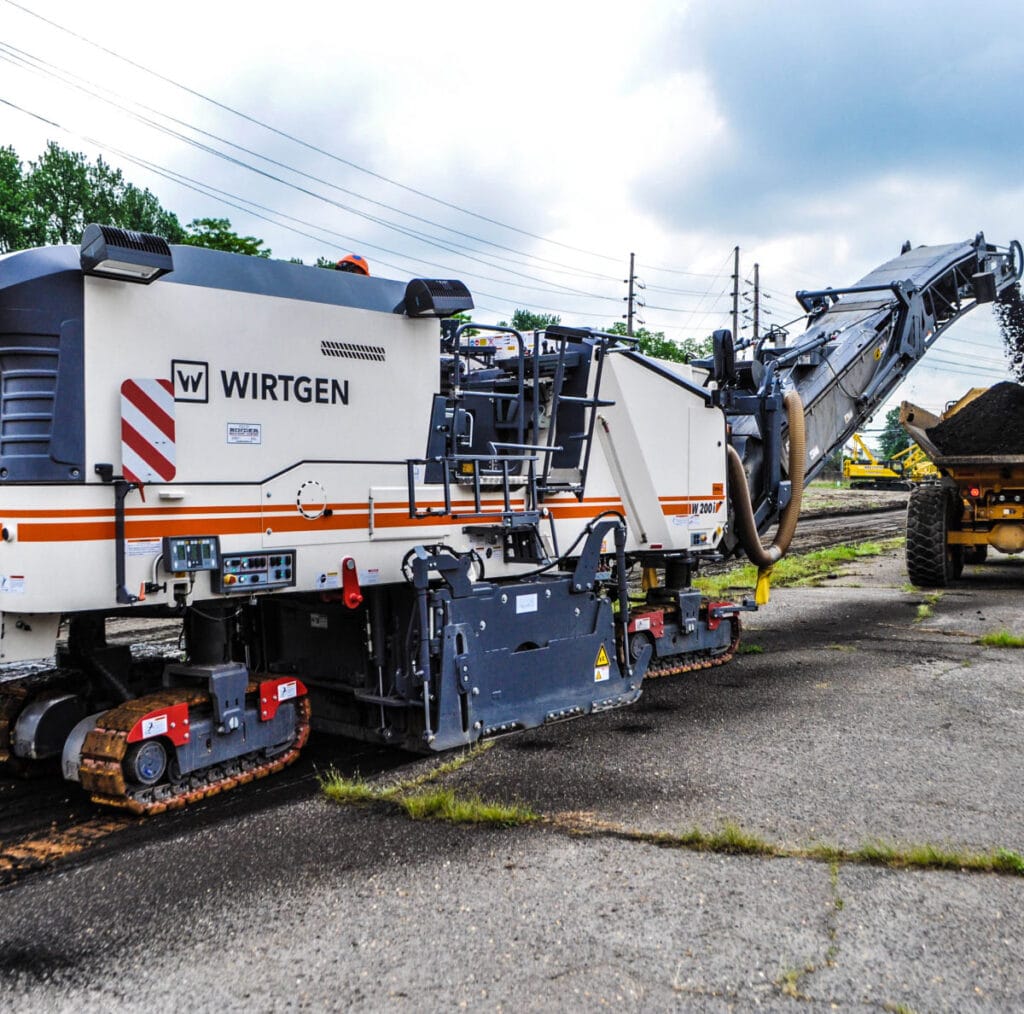
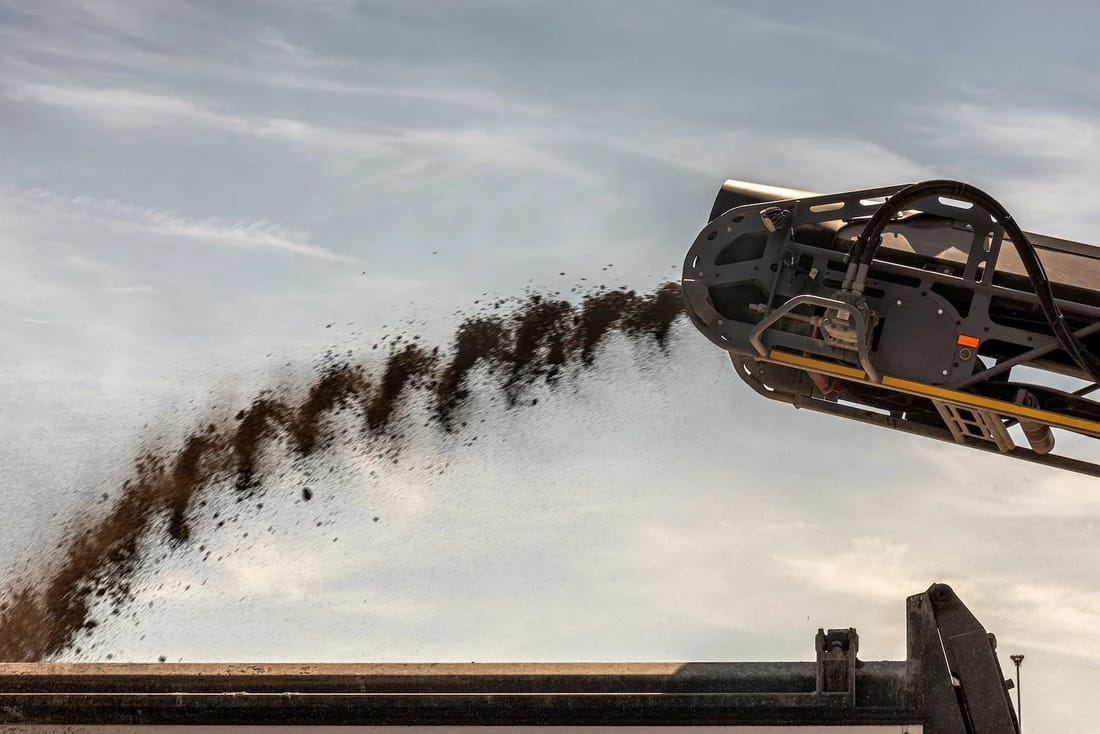
In a typical project, we bring in a milling machine that grinds the existing asphalt to a set depth, usually from 1 to 3 inches. The milled material is moved by conveyor into trucks, then hauled for recycling. After milling, we check grades and drainage, adjust any low or high spots, then place new asphalt over the milled surface. The result is a smoother, stronger driving surface that ties into existing concrete entrances and manholes cleanly.
Reclamation is a different process and is used when the pavement has failed more deeply, such as widespread alligator cracking, pumping water, or soft spots under the surface. Instead of just removing the top layer, full-depth reclamation blends the existing asphalt and a portion of the base into a new stabilized layer, often using cement or other stabilizers. This can save the cost of full removal and import of new base while still delivering a long-lasting foundation ready for fresh asphalt.
Step-by-Step: How Our Asphalt Milling Process Works
Every milling job starts with an inspection of your pavement. Precision Asphalt Garland walks the entire area, looks for structural failures, checks existing drainage patterns, and measures thickness where possible. From this, we determine a milling depth that removes damaged material while keeping as much good asphalt and base as possible. On Garland projects we often target depths around 1.5 to 2 inches for commercial lots and adjust for heavy truck lanes where rutting is deeper.
Next, we mark all key grades and tie-in points, such as transitions to concrete, utility covers, drains, and street connections. This layout work controls how the milling machine is run. Our operator uses automatic grade controls along with these marks to keep the surface consistent and pitched correctly so water sheds instead of ponding.
During milling, the machine grinds the pavement and conveys the material straight into trucks. We keep trucks cycling so work does not stop. As passes are completed, a small crew checks the surface behind the mill, cleans loose material, and flags any soft spots for closer evaluation. If we discover unexpected base failure, we stop and address it with base repairs rather than just covering the issue.
Once the entire area is milled, we clean it thoroughly using sweepers and blowers. This step is critical, because dust and loose rock will prevent new asphalt from bonding properly. After cleaning, we apply a tack coat, a thin asphalt emulsion, to bond the new overlay to the milled surface. Then we pave the new asphalt in one or more lifts, compact with steel and rubber-tire rollers, and recheck drainage and smoothness before opening to traffic.
How Asphalt Reclamation Is Done When the Base Has Failed
Asphalt reclamation comes into play when milling alone will not solve the problems. If your Garland lot or road has deep structural cracks, widespread potholes, or areas that pump water when trucks roll over them, we consider full-depth reclamation. This process uses a reclaiming machine that cuts through the asphalt and several inches of base material, then mixes them together on site.
Precision Asphalt Garland typically begins by rough grading the area and removing any extremely soft or contaminated material, like saturated base or clay pockets. Then the reclaimer makes a first pass to break and blend the existing asphalt with the base. At this point we may add cement, fly ash, or other stabilizing agents, chosen based on soil conditions and load requirements. For example, areas in Garland with clay-heavy subgrade often benefit from cement stabilization to reduce movement during wet seasons.
After mixing, we moisture-condition the material so it can be compacted to a dense, uniform layer. Our crew uses graders to trim the reclaimed base to final lines and slopes, then compacts it with heavy rollers. Once the stabilized layer reaches the required density and has cured for the recommended period, usually a day or more depending on the stabilizer and weather, we apply a new asphalt surface course. This creates a pavement section that behaves like one solid structure rather than a patchwork of old repairs.
What Drives Cost for Asphalt Milling and Reclamation in Garland
Several specific factors impact the cost of an asphalt milling or reclamation project in Garland, and understanding them helps you compare proposals fairly. The first is size and accessibility. Wide open lots with clear access for milling machines and trucks cost less per square foot than tight courtyards or drives with limited maneuvering room. If traffic control is complex, such as working at a busy retail center that must stay open, we add time for staging and phasing.
Depth of milling or reclamation also matters. Shallow milling at 1 inch consumes less machine time and produces less haul-off than a 3 inch removal, and full-depth reclamation with stabilization costs more than surface milling but often less than complete tear-out and replacement. If there are many utility covers, drainage structures, or concrete tie-ins that need special cuts, the labor and precision work increase.
Base condition is another cost driver. If the existing base is stable, milling plus overlay is straightforward. If we find soft spots during milling, we may need to undercut, add new base, and compact. Reclamation can minimize the amount of imported base, but adding cement or other stabilizers adds material and extra equipment costs.
Finally, scheduling and season will play a role. In North Texas, the best windows for paving are typically March through early June and late September through November, when temperatures are moderate and rain patterns are more predictable. Work done in the heat of July and August often requires shorter daytime shifts and more care with compaction and cooling, which can affect crew productivity. Night or weekend work to avoid disrupting Garland businesses also carries a premium.
Common Problems We Solve on Garland Pavements
Local climate and traffic patterns in Garland create predictable pavement problems that milling and reclamation can address effectively. One common issue is rutting and shoving in heavy traffic lanes, especially near truck docks, drive-thrus, and industrial entrances. In these zones we may mill deeper under wheel paths and use a stronger mix design for the overlay to resist deformation.
Another frequent problem is drainage. Older lots often have flat areas where water sits after summer storms. Simply overlaying without milling would raise grades and may worsen ponding. Precision Asphalt Garland uses milling to correct slopes, lower high spots, and shape proper flow lines to inlets or edges. We check these slopes with laser or stringline methods during both milling and paving.
When the pavement shows widespread alligator cracking, resurfacing alone usually fails within a couple of years. In these cases we either mill deep enough to remove the fractured layer or move to reclamation if the damage extends into the base. Reclamation allows us to create a single, uniform layer instead of repeatedly patching individual failures.
We also encounter reflective cracking from underlying concrete or older asphalt patches. For these, we may use a combination of targeted milling, fabric interlayers, or thicker overlays to slow down crack reflection. Discussing these specifics with you on site is part of our process, so you understand why we recommend milling, reclamation, or a mix of both.
What Garland Property Owners Should Know Before Hiring
Before you hire anyone for asphalt milling or reclamation, there are a few key points to confirm. First, make sure the contractor has the right equipment and does not just sub everything out without oversight. Precision Asphalt Garland owns and operates milling and reclaiming equipment and provides our own field supervision, which keeps quality control under our direct management.
Ask for a clear scope that states milling or reclamation depth, how many inches of new asphalt will be installed, and what will happen if unexpected base failures are found. A vague line item like "mill and overlay" without depth or mix details makes it hard to compare bids and often leads to change orders on the job.
For Garland projects, traffic control and access planning are essential. A good plan should spell out work phases, how many entrances stay open, and when noisy operations like milling will occur. We often schedule milling early in the day and paving later the same day or next morning so customers and tenants are not dealing with rough milled surfaces longer than necessary.
Timing with weather is also important. Asphalt needs a reasonably dry, warm surface to bond and compact correctly. While we can work in cooler conditions with adjustments, extremely cold or wet weather delays paving. Planning your project in better seasons reduces risk of schedule changes.
Finally, confirm that recycled materials from milling are handled properly. The milled asphalt from your project can be reused in new mixes or as base material on other jobs. Precision Asphalt Garland recycles these materials through approved facilities, which supports cost efficiency and environmental responsibility while still meeting performance standards.