Home › Commercial Asphalt Resurfacing & Overlays
Refresh worn commercial pavement with commercial asphalt resurfacing in Garland, TX. We repair trouble spots and install overlays or mill and overlay systems that restore a smooth driving surface while preserving your existing base.
Precision Asphalt Garland provides professional commercial asphalt resurfacing throughout Garland, TX, Texas and the surrounding area. Our licensed, insured crew delivers safe, clean, on-time work with a free estimate before anything begins. Call (469) 949-1928 or request your free quote.
Commercial Asphalt Resurfacing in Garland, TX: What It Really Involves
Commercial asphalt resurfacing is not just putting a thin layer of blacktop over worn pavement. When Precision Asphalt Garland takes on a resurfacing or overlay job in Garland, we are rebuilding the working surface of your lot or drive so it can handle Texas heat, heavy vehicles, and foot traffic for years.
Resurfacing is typically the right choice when the top layer of asphalt is cracked, oxidized, or rough, but the base underneath is still structurally sound. If you are seeing alligator cracking over large areas, ponding water after storms, or a lot of raveling (loose rock coming off the surface), you are in the right range for a resurfacing assessment. If the base has failed or there are deep structural issues, you may be better off with partial reconstruction. The first step is always a site walk and core evaluation so we know exactly what we are building over.
In Garland, commercial resurfacing is usually done at shopping centers, medical complexes, churches, industrial yards, and multi‑building office or apartment communities. Each type of property has different needs. For example, a grocery store lot demands tight scheduling and traffic control to keep customers moving, while an industrial facility needs thicker overlays around loading docks and dumpster pads where trucks turn and twist on the asphalt every day.
How Our Resurfacing & Overlay Process Works
Precision Asphalt Garland follows a defined process so you know what will happen on your property and when.
1. Evaluation and measurements: We inspect the pavement, mark failed areas, take measurements, and note drainage patterns. If needed, we recommend full depth repairs in isolated spots before any overlay.
2. Milling and edge preparation: Where elevations are tight around curbs, sidewalks, and building thresholds, we use a milling machine to grind down the existing asphalt. This keeps new overlay thickness from causing trip hazards, blocking door clearances, or creating standing water at low points.
3. Patching bad areas: Structural failures, potholes, and severe alligator cracking are saw‑cut and removed. We rebuild those areas with new base and hot mix asphalt compacted in lifts. Overlays last only as long as the worst spot underneath, so this step is critical.
4. Surface cleaning and tack coat: The lot is power swept and blown clean. Then we apply a tack coat, a thin layer of asphalt emulsion that bonds the new overlay to the old surface. Skipping or skimping on tack causes slippage and premature failure, so we do not cut corners here.
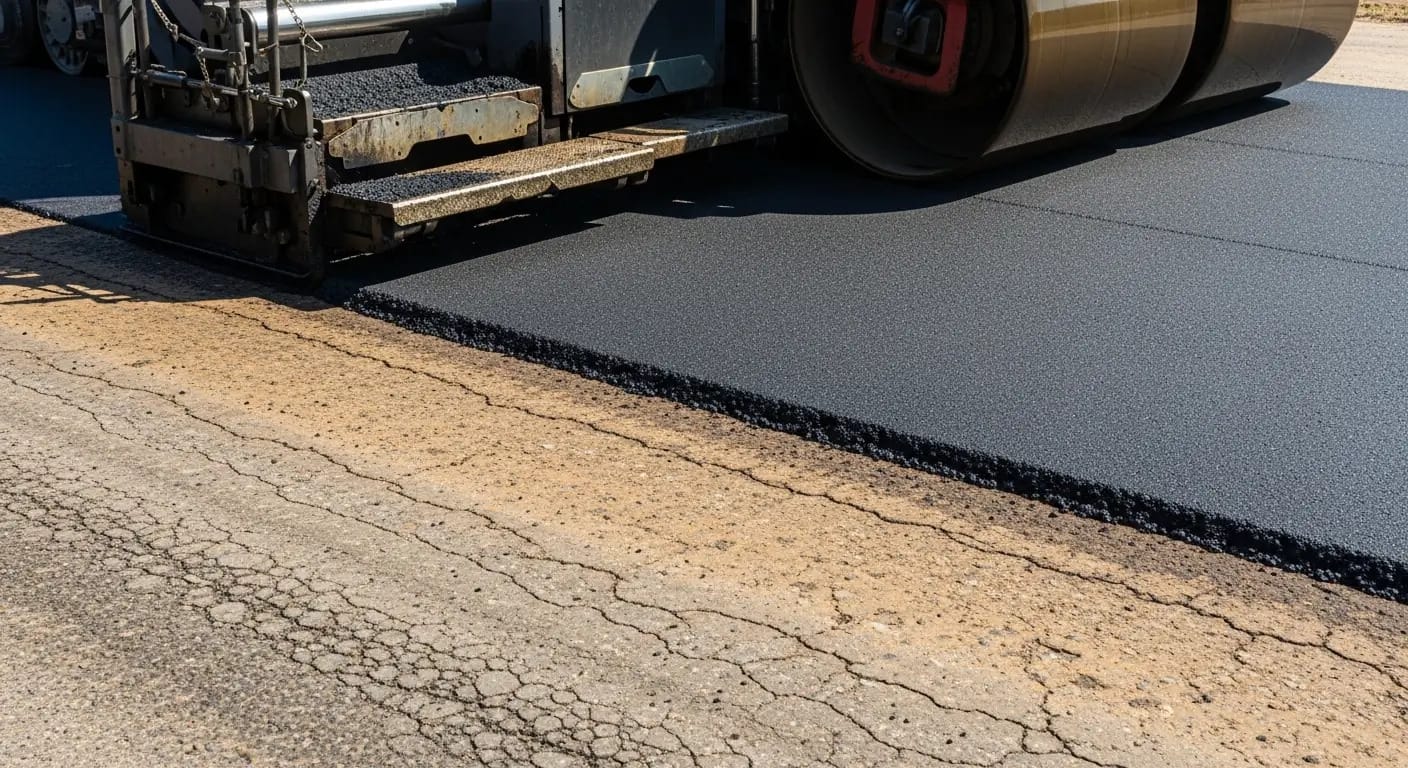
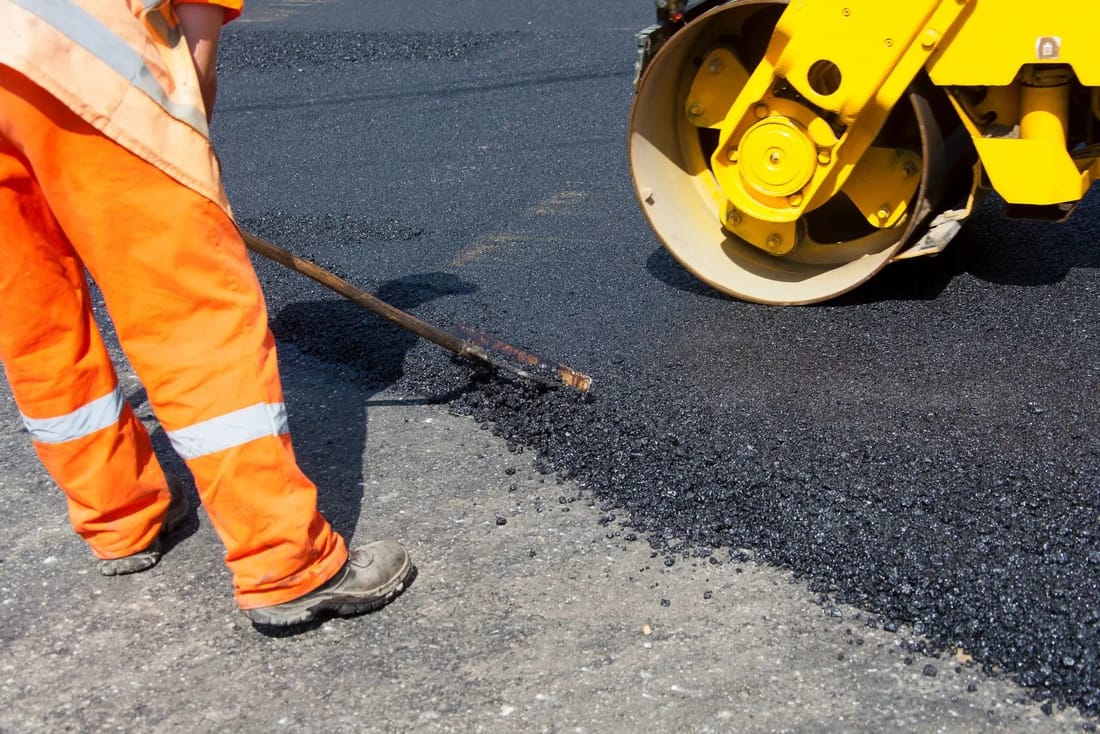
5. Installing the overlay: We place hot mix asphalt (HMA) with a paver to get an even mat, then compact it with steel drum and pneumatic rollers. Thickness varies based on traffic but most Garland commercial overlays are 1.5 to 2 inches, with heavier sections where trucks run.
6. Final rolling and joint work: We pay special attention to longitudinal joints and transitions at entrances and crosswalks. Smooth transitions matter for ADA compliance, customer comfort, and minimizing impact on delivery trucks.
Material Options and Design Choices for Your Lot
Not every commercial asphalt resurfacing job uses the same mix or layout. Precision Asphalt Garland matches materials and design to how your property is actually used.
For light duty parking areas, like small offices and churches, a standard Type D hot mix (TXDOT spec) at 1.5 to 2 inches usually delivers good performance and cost control. For loading zones, fire lanes, and drive lanes that see repeated heavy trucks, we bump up to a thicker overlay and may recommend a coarser mix that resists shear forces and rutting.
If your property has visible ruts where vehicles stop or turn, we look at those areas separately. We can mill ruts and install a leveling course first, then overlay the full area so the final surface is smooth and drains correctly. Without leveling, an overlay can simply lock existing depressions in place and make ponding worse.
Color and finish are mostly governed by the asphalt itself, but your striping layout is flexible. Resurfacing is the ideal time to rethink parking angles, add or relocate ADA stalls, revise traffic flow at drive‑thrus, or widen loading lanes. We can help you re‑layout the lot to meet current ADA requirements and Fire Marshal access standards in Garland and Dallas County.
For properties looking at long‑term life cycle costs, we may pair a structural overlay now with a planned sealcoat schedule going forward. This combination usually yields a lower cost per year of service compared to repeated patching and emergency repairs.
Local Factors in Garland That Affect Performance and Cost
Garland weather, traffic, and soils all influence how we approach commercial asphalt resurfacing. High summer temperatures soften asphalt, then sudden rain events can cool surfaces quickly. That repeated expansion and contraction can open cracks if the mix and compaction are not correct. We schedule paving and rolling to avoid placing overlays in conditions that will trap moisture or prevent proper compaction.
Our local clay soils move with moisture changes. Where lots border landscaping or poorly drained areas, water can migrate under the pavement and weaken the base. In those spots we may recommend additional edge drains, replacing soft base, or using geotextile fabric reinforcement beneath patched areas before resurfacing.
Cost is driven mainly by three things: square footage, thickness of the overlay, and how much prep and patching is required. Access is another factor. Tight sites that require more handwork, smaller equipment, or night work to keep businesses open will cost more than a wide‑open shopping center lot that we can pave in large passes.
Local code and oversight also come into play. While most resurfacing work in Garland does not require a formal building permit, certain projects near public right‑of‑way, fire lanes, and accessible routes may need to meet city and ADA standards for slopes, striping, and signage. Precision Asphalt Garland coordinates with Garland code enforcement and, when needed, the Fire Marshal to make sure lane widths, markings, and access remain compliant.
Common Problems We Solve During Overlays
The benefit of a commercial asphalt overlay is that it renews your surface without full reconstruction, but hidden problems can shorten its life if they are not handled. Precision Asphalt Garland focuses on finding and fixing those issues before we pave.
Drainage issues top the list. If you have low spots that hold water after storms, we measure existing slopes and use leveling courses or milling to re‑establish flow to inlets. Water that sits on new asphalt will accelerate cracking and strip oils from the surface.
Reflective cracking is another concern. Cracks in the old pavement can work their way up through the new overlay if the movement underneath is not controlled. In addition to patching failed areas, we may recommend reinforcing fabrics or full depth repairs in high‑movement joints, such as where old and new pavement meet or where utility trenches cross drive lanes.
High‑traffic entrances and drive‑through lanes often show polished aggregate and rutting. Instead of simply overlaying on top, we mill these areas more aggressively, correct the base if needed, then install a thicker or more stable mix so that turning wheels do not tear up the new surface.
Lastly, traffic control and business disruption are practical issues. We phase work so that portions of your lot stay open. For multi‑building sites, we often do one section or side at a time with clear signage, access routes for emergency vehicles, and night or weekend work where the business requires it.
What Garland Property Managers Should Know Before Hiring
Before you commit to commercial asphalt resurfacing, it is worth understanding what you are buying and how to compare bids.
Ask every contractor how many inches of new asphalt they are including, what TXDOT or mix design they are using, and whether that thickness is the same everywhere or varies in high‑load areas. Get clarity on how many square feet of base repair or patching are included. A low bid with almost no base repair priced in usually means problems will be paved over instead of fixed.
Request a traffic control and phasing plan. For active businesses in Garland, especially retail and medical offices, it matters where customers and deliveries will park during each phase of work. At Precision Asphalt Garland we provide a simple map showing phase lines, temporary entrances, and where tow‑away enforcement may be necessary while the asphalt cures.
Ask about warranties and how they handle punch‑list issues. We schedule a walkthrough after striping so you can point out any concerns like rough joints, birdbaths, or unclear markings while everything is fresh. We also explain what maintenance you should plan for, such as when to schedule the first sealcoat and how to handle small cracks if they appear.
Finally, make sure the contractor is insured for commercial work, familiar with Garland expectations for fire lanes and ADA stalls, and willing to document materials used. Precision Asphalt Garland keeps load tickets and mix design information so you have a record of what went into your resurfaced lot for future planning or resale documentation.