Home › Asphalt Pathways, Sidewalks, and Trails
Connect your property with safe, accessible routes using asphalt pathway paving in Garland, TX. We install sidewalks, walking loops, and multi use trails for parks, campuses, and communities that are smooth, durable, and easy to maintain.
Precision Asphalt Garland provides professional asphalt pathway paving throughout Garland, TX, Texas and the surrounding area. Our licensed, insured crew delivers safe, clean, on-time work with a free estimate before anything begins. Call (469) 949-1928 or request your free quote.
Asphalt Pathway Paving in Garland, TX
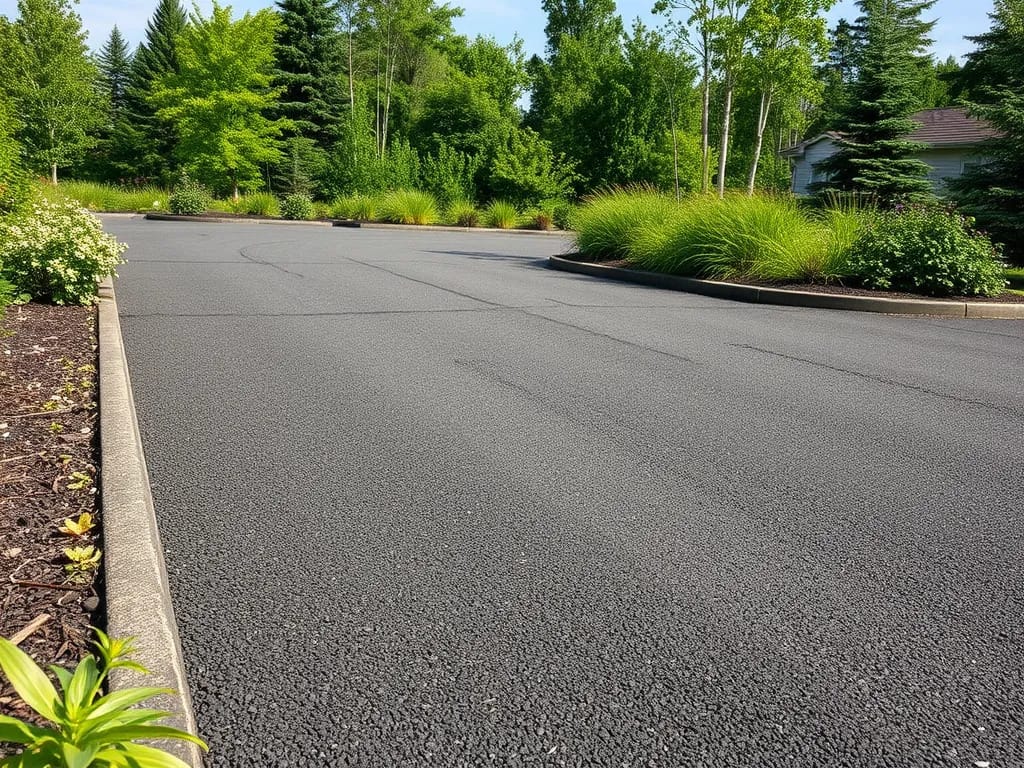
If you are planning a new walking route through your property, Precision Asphalt Garland designs and builds asphalt pathways, sidewalks, and trails that fit how people actually move through your space. We work throughout Garland and nearby neighborhoods, installing paths for homes, HOAs, churches, schools, parks, and small businesses.
Asphalt pathway paving is different from putting in a driveway or a parking lot. Paths are narrower, often curved, and they must feel comfortable underfoot for walking, jogging, strollers, and wheelchairs. We pay close attention to slope, cross slope, and transitions so there are no abrupt edges or puddles where people expect a smooth, dry surface.
Whether you want a simple sidewalk extension along a residential street or a long walking trail around a detention pond, we help you balance durability, safety, and budget. Our team lives and works in Garland, so we understand local soil conditions, how heavy North Texas rain behaves, and what city and HOA reviewers look for in pathway plans.
Planning and Design for Sidewalks and Trails
Good asphalt pathways start with a practical layout. We walk the route with you to see how people already cut through grass or parking areas and identify where a real path will get the most use. For longer trails, such as around apartment complexes or church campuses, we look at shade, lighting, and sightlines so users feel safe.
We talk through width, which usually ranges from 4 to 8 feet. Residential side yard walks might be on the narrower side, while shared-use trails in multifamily communities typically need 6 feet or more so two people can walk side by side. If ADA access is a goal, we make sure clear widths and passing areas meet current accessibility guidelines.
In Garland, drainage is critical because of our heavy storms. During planning we identify low spots, plan gentle slopes to get water off the path, and add swales or drain outlets where needed. For paths near creeks, detention ponds, or behind privacy fences, we may recommend small retaining edges, culverts, or French drains so asphalt does not crack or settle after a wet season.
We also review surface options. Most customers choose standard hot-mix asphalt for value, but we can add a finer top course mix for smoother walking, or plan for a sealcoat after curing to deepen color and extend life. On highly visible community trails, some property owners prefer decorative colored sealers or striping to visually separate walking and biking zones.
How Asphalt Pathway Paving Is Done Step by Step
Once you approve the layout and scope, Precision Asphalt Garland follows a clear installation process so you know what to expect day by day.
1. Site preparation and layout: We mark the path with paint and flags, call in utility locates (811) where needed, and verify property lines, especially along streets or shared fences. For HOAs or commercial sites, we coordinate with your property manager so residents know what areas will be temporarily closed.
2. Clearing and grading: We remove grass, roots, loose soil, and old broken concrete or asphalt along the route. Then we rough grade the path, shaping it for proper slope and tying it into existing sidewalks, driveways, or patios. In Garland’s clay soils, we often need a little extra undercut and replacement with better compactable material.
3. Base installation: For most pathways we install a compacted crushed rock base, usually 3 to 6 inches thick depending on use. Light residential garden paths might be on the lower end, while school tracks or HOA jogging trails that see maintenance vehicles need a heavier base. We compact in thin lifts with vibratory equipment until the base is firm and stable.
4. Asphalt paving: We place hot-mix asphalt from the plant and spread it with a small paver or carefully by hand on tight, curved sections. Typical asphalt thickness runs 2 to 3 inches after compaction for standard foot traffic. Our crew uses steel drum and plate compactors to achieve a smooth, even surface that ties flush to existing concrete or asphalt surfaces.
5. Edges, transitions, and cleanup: We dress the shoulders with soil or rock for support and to avoid drop-offs, then seed or sod disturbed grass where needed. Finally, we clean the work area so you are left with a finished path ready for use once the asphalt cools and sets, usually within several hours.
Material Options and Surface Finishes
Hot-mix asphalt is the workhorse for pathways in Garland because it is flexible and handles temperature swings better than many rigid materials. Still, there are options within that category that affect performance and appearance.
Mix design: For typical pathways and sidewalks we specify a fine-graded surface mix so the finished texture is smoother underfoot. On trails where light maintenance trucks or carts may drive, we might choose a slightly coarser mix in the base course to improve load-carrying strength.
Thickness choices: For a backyard path used only by pedestrians, a 2 inch compacted asphalt layer over a solid base is usually sufficient. For an HOA loop trail that occasionally sees golf carts, maintenance equipment, or emergency vehicles, we often recommend 2.5 to 3 inches of asphalt and a thicker base. That small difference in thickness can make a big difference in long-term cracking and rutting.
Edge treatment: Many Garland homeowners want the asphalt to blend into lawns or landscaping. We can taper edges into soil and reestablish grass, or install rock borders where erosion is a concern. In drainage swales or on slopes, we may suggest concrete ribbon edges or header curbs to keep the pathway from unraveling as water flows along the sides.
Finishes: On higher visibility community trails, customers sometimes choose a colored or tinted sealcoat applied after the asphalt has cured for several months. This can reduce heat gain, improve aesthetics, and add a bit of protection against UV and spills. For school and park tracks, we can add striping, distance markers, or directional arrows.
What Affects Cost for Asphalt Pathways, Sidewalks, and Trails
Pathway projects vary a lot in price, even for similar lengths. Precision Asphalt Garland likes to explain the cost drivers up front so you can make informed choices and avoid surprises.
Length and width: Asphalt is sold and installed by area, so longer and wider paths cost more in materials and time. However, there are efficiencies in mobilization, so adding a few extra connecting sections during a project can be more affordable than coming back later for a separate job.
Site conditions: Flat, open lawns with easy access for equipment are less expensive to work on than tight side yards, steep grades, or wooded creek banks. Tree roots, fences, and existing structures can require more hand work and sometimes root barrier installation so roots do not heave the new asphalt in a few years.
Base and subgrade work: Soft or poorly draining soils in Garland neighborhoods like older areas near Duck Creek often require additional base, fabric stabilization, or underdrains. Investing in this prep work prevents settlement, heaving, and early cracking. Although it adds upfront cost, it usually saves money compared to repeated patching.
Access and logistics: If our crew can bring in a small paver and roller directly to the work zone, the project is more efficient. Narrow gates, no rear alley access, or paths that run behind multiple homes might require more wheelbarrow work and smaller equipment, which affects labor time.
Options and finishes: Decorative seal coats, striping, concrete header curbs, and added drainage structures increase cost but may be important for long-term function or neighborhood appearance. During our estimate we separate these items so you can see where your budget is going and decide what is worth including.
Permits, HOAs, and Local Considerations in Garland
For many on-property asphalt pathways and sidewalks on private land, the City of Garland does not require a full street permit, but there are important exceptions. If your new path ties into or replaces a public sidewalk, crosses a right of way, or affects drainage near the street, city review or permitting may apply. We help you sort that out before work begins so there are no compliance issues.
HOAs in Garland neighborhoods like Firewheel and other planned communities often have architectural or landscape guidelines that cover pathways along common areas and in front yards. These may specify route, width, color, or distance from property lines. Precision Asphalt Garland can provide drawings, material descriptions, and photos of similar projects to assist with HOA approvals.
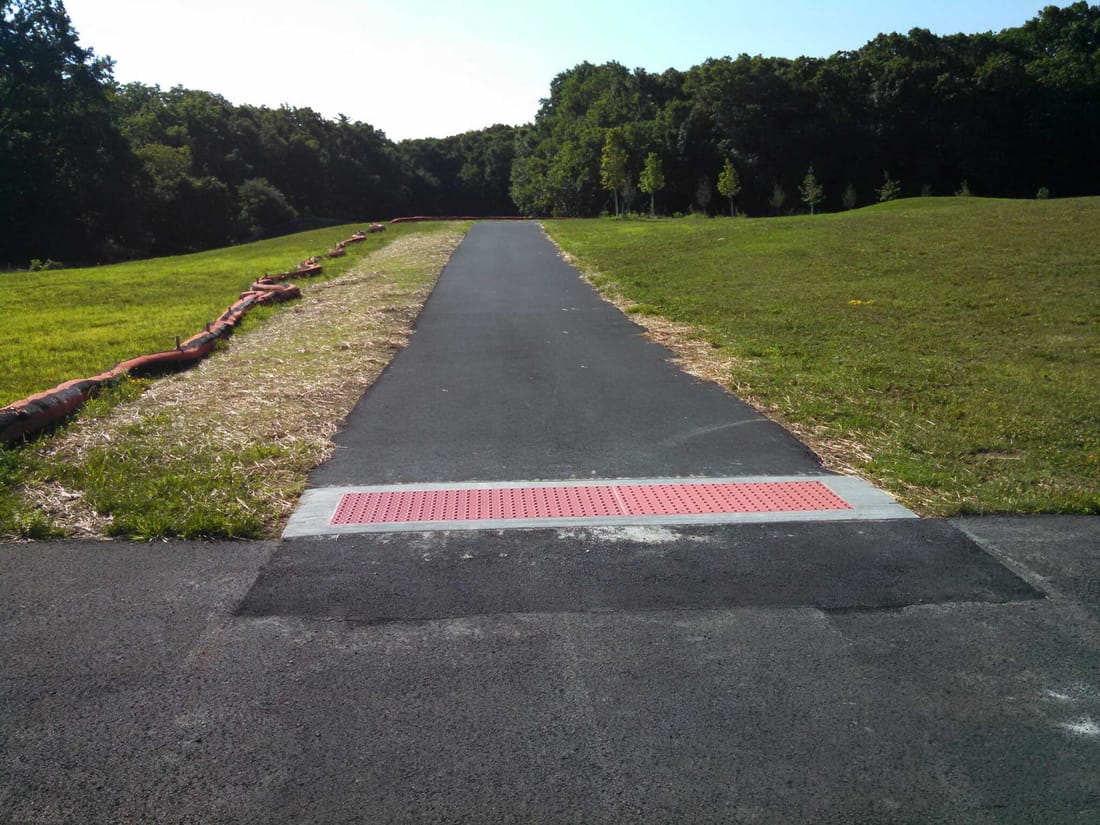
For schools, churches, and commercial sites, ADA considerations are critical. This includes slope limits, landings at doors and ramps, tactile warnings at street crossings, and clear width. We pay close attention to these details because it is easier and more affordable to design them correctly than to rework noncompliant sections after an inspection.
We also plan project timing around Garland weather. In the peak of summer, we often schedule paving for earlier morning to keep the asphalt workable and to minimize disruption to neighbors. After major rain events, we may delay work a day or two to let the subgrade dry, which helps ensure compaction and durability.
Maintenance, Repairs, and Extending Pathway Life
Well built asphalt pathways in Garland can last many years if they are maintained. Precision Asphalt Garland offers maintenance plans, but we also teach property owners what they can do themselves.
Sealing and protection: For most pathways we suggest a first sealcoat after the asphalt has cured, typically 6 to 12 months after installation. After that, resealing every few years can slow oxidation and minor surface wear, especially on trails that get full sun all day. Sealcoat also makes cleanup of spills and chalk or paint markings easier.
Crack and edge repair: Small cracks are normal over time, particularly across tree roots or where soil settles. Sealing these early keeps water out, which prevents potholes and base damage. If edges begin to ravel or break away, we can cut back to solid material, repair the base, and patch with new asphalt instead of letting damage creep into the travel path.
Drainage checks: After big Garland storms, it is a good idea to walk your path and see where water stands. Persistent puddles can soften the base and lead to depressions. In those areas we can plane the surface and overlay or add small drainage solutions, like shallow swales or area drains, before the issue grows.
Future changes and tie-ins: Properties evolve over time. When you add a patio, playground, or new building, we can extend your existing asphalt pathways, match elevations, and resurface older sections so everything looks intentional and performs as one system. Because we keep job records, we can reference your original mix, thickness, and base details when planning additions.